Description
-About this book
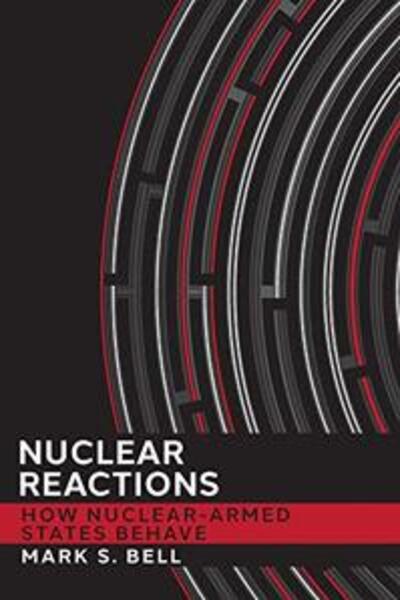
Mark Bell argues that nuclear weapons are useful for more than just deterrence. Instead, they are leveraged to pursue a wide range of goals in international politics, and the nations that acquire them significantly change their foreign policies as a result.
Bell closely examines how these effects vary and what those variations have meant, in the United States, the United Kingdom, and South Africa. Countries aren’t generically « emboldened »—they change their foreign policies in different ways based on what their priorities are. This has huge policy implications: what would Iran do if it were to get nuclear weapons? Would Japanese policy toward the United States change if it were to acquire nuclear weapons? And what does the looming threat of nuclear weapons mean for the future of foreign policy? Far from being a relic of the Cold War, Bell argues, nuclear weapons are just as important in international politics today as they ever were.
-Contents
List of Illustrations ix
Acknowledgments xi
List of Abbreviations xv
Introduction: How Do New Nuclear States Behave? 1
- Nuclear Opportunism: How States Use Nuclear Weapons in International Politics 9
- Independence and Status: The British Nuclear Experience 36
- Apartheid and Aggression: South Africa, Angola, and the Bomb 78
- The Foundations of a New World Order: The United States and the Start of the Nuclear Era 112
- Past and Future Proliferators 147
Conclusion: Nuclear Revolution or Nuclear Revolutions? 164
Notes 175
Index 209
-Caractéristiques
Éditeur : Cornell University Press
Langue : Anglais
NB.de pages : 234 pages
ISBN-10 : 1501754165
ISBN-13 : 978-1501754166
Poids de l’article : 28 g
Dimensions : 14.61 x 1.91 x 21.59 cm


Reviews
There are no reviews yet.