
The State of Secrecy-Spies and the Media in Britain,Richard Norton-Taylor
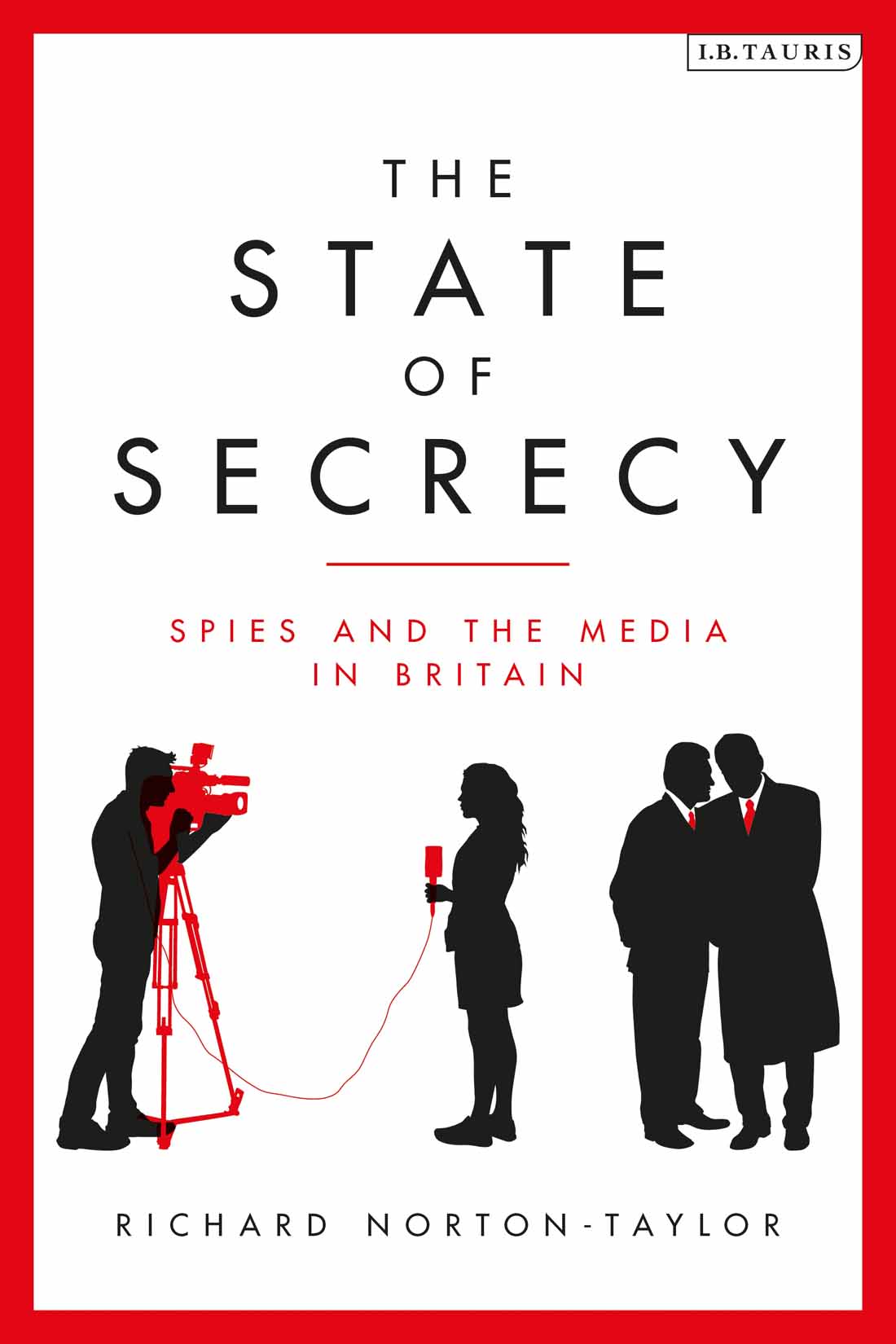
-Résumé
The culture of secrecy is the root cause of many, perhaps most, of Britain’s deep-seated ills.
It has prevented a coherent debate about the state of British democracy, how we are governed and about the country’s role – in the past, now and in the future. It has prevented a mature debate about the real meaning and interests of ‘national security’, a phrase regularly trotted out by successive governments to dismiss the public’s right to know.
Official secrecy has allowed the intelligence agencies to commit such serious mistakes and indulge in such wrongdoing that far from protecting national security, it has had the perverse effect of undermining it.
The damage inflicted by secrecy, the failure to tell the truth and especially tell the truth to power, is a central theme of this book. I have witnessed over many years how it has prevented MPs and journalists from holding to account the Whitehall establishment and the security and intelligence agencies at the heart of it.
With the help of personal anecdotes spanning five decades, I recall my struggles with Whitehall, Britain’s unaccountable ‘permanent government’, what in the United States they call the ‘deep state’. Some were profoundly significant, some unintentionally hilarious. They all shed light on how we are governed and manipulated.
A book can place events in context, something that is difficult in journalism, constrained by the pressures of time and space. Official secrecy is the thread connecting the unremitting sources of conflict during my long career as a journalist confronting spies, the armed forces, cover-ups, leaks, suppressed history, the abuse of human rights, hidden warfare, Europe and an enormous waste of taxpayers’ money. I confronted them in the face of hostility from ministers, Whitehall mandarins, judges, military chiefs and even MPs, and less surprisingly from the security and intelligence agencies.
I trace the development of official secrecy, how it has been defended and how it has been challenged through the courts as well as at public inquiries forced on reluctant governments. While there have been some remarkable successes thanks to the persistence of some journalists and courageous whistle-blowers, among the most rewarding and entertaining experiences in my career have been dramatic and unforeseen triumphs of defendants in criminal trials. They include the unanimous acquittal by a vetted Old Bailey jury of the MoD official Clive Ponting, prosecuted under the Official Secrets Act for supplying an MP with the truth behind the circumstances leading to the sinking of the Argentine cruiser General Belgrano during the Falklands war.
I describe individual cases including spies and double agents I have met, those who caused real damage to British security, and those who had their uses, not least in calming the Kremlin’s perpetual paranoia. Spies who caused serious damage were protected by the Whitehall establishment. Others were victims of disastrous mismanagement.
-Contents
Preface
Prologue
Introduction
1 Heroes and hacks
2 Poachers and gamekeepers
3 Brussels, city of myths and contradictions
4 The culture and language of secrecy
5 Secrecy obsessed
6 History is an official secret
7 Spies: Their uses and abuses
8 Spies: More uses and abuses
9 Provoking terror
10 Chilcot redux
11 Defending the past
12 Defending the future
Notes
Index
–caractéristiques
date de parution:23 janvier 2020
Éditeur : I.B. Tauris
N.de pages : 352 pages
Poids de l’article : 686 g
ISBN-13 : 978-1788312189
Dimensions du produit : 16.08 x 2.57 x 23.95 cm
Langue : Anglais





Reviews
There are no reviews yet.